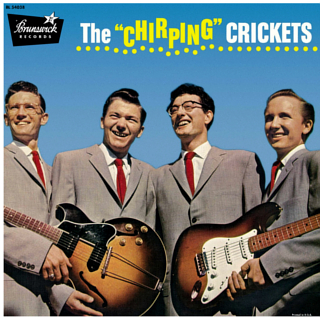
From the archives: hey, it's one of my greatest hits! The first version of my history of power pop was published in the January 5th, 1996 issue of Goldmine. I re-used a bit of it in my liner notes to the Rhino Records CD compilation Poptopia! Power Pop Classics Of The '90s. And in 2005, I went back and re-worked the whole thing for John M. Borack's book Shake Some Action.
Although time has, I guess, not stood still since then, I've resisted any attempt to update the information. I've previously posted this in installments, but here's the whole damned thing, my complete original manuscript of the 2005 version. And coming tomorrow: a previously-unpublished BONUS CHAPTER! Carl Cafarelli and Gary Pig Gold discuss THE SECRET ORIGIN OF POWER POP!

If
you read a lot of rock writing, then you’ve no doubt run across the term power
pop on several occasions. The term
may seem self-explanatory, but when it’s applied with blissful indifference to
acts as diverse as The Knack, The Ramones, R.E.M., Def Leppard, Green Day, The
Bay City Rollers and (Lord help us) Britney Spears, one can be forgiven for
wondering what power pop really means.
If
only the answer were that simple.
Like
rock ‘n’ roll itself, power pop has come to mean many different things to
different people. Just as rock ‘n’
roll (or rock, if you must) is commonly used in reference to Little Richard,
Jimi Hendrix, The Grateful Dead, Pink Floyd, KISS and Duran Duran, with little
consensus among fans of the individual, contradicting styles, so too has the
meaning of power pop been diluted over time.
In
strictest terms, power pop is literally pop music with power, catchy tunes with
an attitude. It refers to an
energetic interpretation of pop rock, based in equal parts on melodic hooks and
killer instinct. It takes obvious
inspiration from mid-1960s rock ‘n’ roll, especially from groups like The
Beatles, The Kinks and the early Who.
From about 1977 onward, it has frequently absorbed a recognizable
influence from the ragin’ rhythms of punk.
Power
pop also incorporates an inherent innocence, its physical presence sometimes
derived simply from the power of pure pop itself. At the end of the day, power pop is best summed up in the
words Phonograph Record Magazine once
used to describe Big Star’s sublime “September Gurls”: “Innocent, but deadly.”
Although
it would be a mistake to get carried away with labels, power pop, pure pop and
just plain pop are all very convenient catch-phrases for fans of melodic rock
‘n’ roll, and the cognoscenti know what it all means. As contemporary, self-avowed pop artist Chris von Sneidern
once put it, “When you look in Billboard
and they talk about pop singles, they’re not talking about Raspberries or Chris
von Sneidern, they’re talking about Whitney Houston or Atlantic Starr. But actually what we’re talking about
is pop music which started with the British Invasion and worked its way out.”
Who
cares about power pop, anyway?
Well, while pure pop and power pop have rarely seemed poised to really
capture the hearts and minds of the great unwashed, an informal but vocal pop
underground has existed since at least the early ‘70s. Ill-served by the vapid fare of AM Top
40 and the self-consciously hip drone of progressive FM, those disaffected by
the heavy vibe of capital-R Rock as capital-A Art longed for a return to the
engagingly simple charm of mid-‘60s pop.
This
may have begun as mere nostalgia, but then someone got the bright idea of
combining those halcyon pop hooks with contemporary power. The resulting power pop sound garnered
some hits and lots of worthy stiffs and near-misses. Whether a hit or a miss with the mass audience, the sound
and approach attracted its own rabid devotees.
This
essay will examine the joint histories of both power pop and its more precious
twin, pure pop (or pop-rock). The
two terms are often used interchangeably; if one wishes to be a stickler, pure
pop generally refers to anything that draws on the tradition of the early
Beatles or Hollies, and/or such jangly folk-rockers as The Byrds and The Beau
Brummels; power pop, on the other hand, tends to be more aggressive, its
parameters defined by the early work of The Kinks, The Who, The Easybeats and
The Creation. The distinctions
blur easily.
Don’t
worry too much about the labels, though; just imagine it’s 1965, or 1977, or
even 2005, and the car radio is playing some new song that’s just got to be the
greatest thing you’ve ever heard.
Feel free to get excited, and feel free to sing along and pound your
fist on the steering wheel in whatever rhythmic fashion you can muster. If it’s a tale of heartbreak, don’t be
afraid to cry. And if it’s a power
pop celebration, then let the thrills go unabridged. Either way, my friends, you gotta have pop.
Roots: The Toppermost Of The Poppermost
Although
the power pop story has its proper start in the early '70s, the story really
begins circa 1964, with the commercial ascension of The Beatles in
America. The roots stretch back
farther, of course--it would be ludicrous to claim that Buddy Holly, Chuck
Berry, Eddie Cochran, Little Richard, The Everly Brothers, The Beach Boys, Del
Shannon and Phil Spector weren’t enormous influences on the development of
power pop, as were early Motown, doo-wop, rockabilly and the power chords of
Link Wray--but it’s plain to see that pop mania begins in frenzied earnest with
John, Paul, George and Ringo.
The
ripple effect, on both music and pop culture in general, of The Beatles’
appearance on The Ed Sullivan Show and
subsequent film debut in A Hard Day’s Night is beyond measurement. Seemingly overnight, hair got longer, folkies went electric,
and pop music became fab
.
When
The Barracudas sang “I wish it could be 1965 again!” in the early ‘80s, they
weren’t kidding. For right or
wrong, the mid-‘60s are still regarded by many as pop’s golden era, when
unforgettable single sides by the likes of The Yardbirds, The Beau Brummels,
The Four Tops, The Kinks, The Searchers, James Brown, Wilson Pickett, The Beach
Boys, The Byrds, The Supremes and scads of other worthies crowded the Top 40
listings, co-existing happily within a single radio format (something
unimaginable today, except on oldies stations playing those same songs).
Contrary
to what that Rolling Stones song said, it was a case of the song, not the
singer. Pop radio was ruled by the
hit single, defined in increments of two to three minutes. An act was only as good as its latest
record, so each record, each song, had to be perfect.
While
The Beatles embodied the ideal of what a pop band could be, it was The Who that
provided the working prototype for power pop, combining undeniably pop moves
with a genuinely violent musical approach. As writer Greg Shaw recalled in the pages of Bomp! magazine in 1977, “Any way you look at it, power pop began
with The Who (The Easybeats started around the same time, but unfortunately we
didn’t hear them until two years later...). Their approach to songwriting was solidly pop--every song
was short, catchy, hook-filled, built on bright, uplifting major chords, and
they never shied away from those all-important ‘la la la’s.’ And behind it all, that explosive ,
violent, rebellious sound. The Who
in 1965 sounded a lot more dangerous than 90 percent of the punk bands in 1977!”
(Though
frequently slighted in rock history, the role of The Kinks in the creation of
power pop should also be noted.
After all, The Who’s debut single “I Can’t Explain” was an obvious,
though triumphant, attempt to ape The Kinks’ sound. And The Kinks’ early singles—“You Really Got Me,” “All Day
And All Of The Night,” “I Need You,” “Tired Of Waiting For You,” “Till The End
Of The Day”--were short on neither pop nor power. The Kinks soon went on to a different (though no less
compelling) sound altogether, but they deserve some credit as innovators of the
original power pop sound.
Another
often-neglected early influence was--wait for it!--The Dave Clark Five. Yeah, yeah, nobody takes this one
seriously, but hear me out here.
The Tottenham sound of the DC5 was dismissed, then and now, as crassly
commercial, gimmicky and artless, but the group’s best singles—“Glad All Over,”
“Bits And Pieces,” “Do You Love Me,” “Any Way You Want It,” “Catch Us If You
Can,” et al.--were loaded with meaty hooks and AM radio savvy, and they rocked
like hell. Sounds like a legitimate
power pop prototype to me, mate.)
As
the ‘60s wore on, however, the sun began to set on pop’s golden era. Following the release of the Sgt.
Pepper album in 1967, The Beatles went
from being the Fab Four to being the spiritual statesmen of an emerging
counterculture. Set against the
unsettling backdrop of racial strife, student unrest and an increasingly
unpopular war in Southeast Asia, pure pop seemed to have become passe. The audiences fragmented. A schism developed between “serious”
artists who came to eschew pop, and crassly commercial acts that embraced the
ephemeral appeal of teenybop pop.
(An
aside: this risks over-simplifying
the ‘60s, a decade that continues to resist all facile efforts to tidy its
legacy. But the palpable “Us vs.
Them” vibe of this era certainly
did spill over into the realm of popular music; for example, even though the
two acts briefly toured together in 1968, relatively few fans of the
psychedelic guitar transcendence of The Jimi Hendrix Experience had any use for
the prepackaged commercial product of The Monkees, while fans of The Monkees’
brilliant, beguiling pop craft literally booed Hendrix off the stage. While one can now comfortably claim
devotion to both Hendrix and The Monkees, The MC5 and The Archies, The Grateful
Dead and The Jackson Five, that divide could not be bridged at the time.)
With
the popular music landscape shifting, British Invasion-style pop went
semi-underground. That is, it
surrendered its claim to the top of the pops, but continued to survive and
thrive in the hearts and garages of young America. Bands like Cleveland’s The Choir (mark that name for future
reference; we’ll be coming back to them shortly) and Philadelphia’s The Nazz
(featuring future wunderkind Todd
Rundgren) kept the faith, albeit to little financial reward.
Which
brings us to the 1970s. The
Beatles had broken up. Although
the group had certainly evolved far beyond the pop mania of “Please Please Me”
and “She Loves You,” The Beatles had remained the sine qua non of pure pop
music’s highest aspirations--artistic, commercial, what have you--and their
demise was inevitably taken as symbolic of the void many fans found in the rock
of the ‘70s. For some, the music
scene as a whole was becoming bloated and sterile, bereft of life or feeling.
As
singer-songwriter Shane Faubert (of the 1980s garage-pop band The Cheepskates)
recalled, “I grew up listening to singles. Whether it was The Beatles, Turtles or Buck Owens, artists
said what they needed to in two-and-a-half wonderful minutes, and then released
you to the next song. I never
‘progressed’ to the point where I could listen to one 15-minute song instead of
listening to five or six mini-masterpieces by all sorts of people.”
Relief
was on the way.
Come And Get It
In
the early- to mid-‘70s, there were several acts that seemed willing to mine the
motherlode of Beatley pop that many had forsaken. Some were British glam/glitter acts like The Sweet and
Slade, whose captivatingly simple style (on singles like “Little Willy” and
“Mama Weer All Crazee Now,” respectively) melded bubblegum with hard rock to
create an authentic (if prefabricated) power pop sound. Some were ‘60s holdovers, both
hitmakers who refused to be moved much by the passage of time or trends—let’s
hear it for The Hollies here!--and marginally-recognized names that simply
continued to make music in their own chosen pop style.
That
last sub-category included ex-Nazzman Todd Rundgren, by now a successful solo
star, record producer and sporadic pop icon; Rundgren’s 1972 album Something/Anything? offered impressive pop, especially in the nonpareil track
“Couldn’t I Just Tell You,” while most of Rundgren’s work with the band Utopia
was emphatically not cut from the same cloth. There was also Emitt Rhodes, former leader of The Merry-Go-Round,
a mid-‘60s light pop band from L.A. who’d enjoyed a regional hit with “Live,” a
song much later covered by The Bangles.
Rhodes released several fine pop albums in the ‘70s, and even scored a
minor (# 54) hit with his McCartneyesque “Fresh As A Daisy.”
One
of the biggest groups in this sub-category of ‘60s survivors was
Badfinger. Beatles protoges and
Apple recording artists, Badfinger began in the late ‘60s as The Iveys, and
debuted as Badfinger on the soundtrack to the 1970 Peter Sellers-Ringo Starr
film The Magic Christian.
The
Magic Christian’s signature song was “Come
And Get It,” a Paul McCartney composition that gave Badfinger a # 7 hit. Badfinger seemed like a Godsend to pop
fans: a great band, playing in a
classic tradition without resorting to cheap revivalism, even brightening up
the airwaves with honest-to-God hit records. From 1970-72, Badfinger enjoyed actual chart success with
“No Matter What,” the exquisite ballad “Day After Day” and the unbelievable
“Baby Blue,” each written by singer/guitarist Pete Ham.
But
the Beatles connection was a double-edged sword, and many slagged Badfinger
mercilessly as Beatles imitators.
Some even viewed Badfinger as mere Beatles puppets, oblivious to the
fact that McCartney had only given the group one friggin’ song, for crying out loud.
When
Badfinger left Apple and moved to Warner Brothers, the group’s career was
essentially put to sleep. 1974’s Wish
You Were Here, which many fans consider to
be Badfinger’s best album, fell victim to what appeared to be Warner’s sudden
disinterest in the group.
Frustrated with music-biz woes, Pete Ham hanged himself in 1975. (Bassist Tom Evans also took his own
life, the same way, in 1983, making the Badfinger story one of the most tragic
tales in pop history.)
In
the evolution of power pop in the ‘70s, though, two acts stand above all
others. Both acts included
veterans of ‘60s groups. One act,
formed from the remnants of two ‘60s Cleveland bands that never quite made it
nationally, went on to have four Top 40 hits in the ‘70s. The other act, which included the lead
singer from a Memphis group that had several ‘60s hits, never enjoyed any chart
success at all during its lifetime, but is now considered one of the single
most influential bands of the ‘70s.
In the story of power pop in the 1970s, no two names are more important
than The Raspberries and Big Star.
I Just Want A Hit Record, Wanna
Hear It On The Radio
The
Raspberries formed in Cleveland in 1970, with singer/guitarist Eric Carmen,
lead guitarist Wally Bryson, drummer Jim Bonfanti and original bassist John
Aleksic. When Aleksic left the
group circa 1971, Carmen switched to bass and new guitarist Dave Smalley
completed the line-up.
Bryson,
Bonfanti and Smalley had all been members of The Choir (remember them?), who'd
scored a regional hit in 1967 with the proto-pop classic “It’s Cold
Outside.” Carmen had been in a
group called Cyrus Eyrie, with whom Bryson had also played after leaving The
Choir in 1968; Carmen is also said to have made an unsuccessful attempt to join
The Choir himself at one point.
All four shared a fondness for the mid-‘60s British Invasion rockin’ pop
sound that had fallen out of fashion among their peers.
The
crucial role of The Raspberries in the power pop story cannot be overstated. Where several other acts played in a
pop style, The Raspberries consciously set out to recreate the frenzied rock
‘n’ roll excitement of Beatlemania.
They didn’t want to be a revival act; they wanted to bring the pop of
the ‘60s up-to-date with the power of the ‘70s.
The
Raspberries made incredible records, often combining the leering salaciousness
of The Rolling Stones with a facade of choirboy (or Beach Boys) innocence that
enabled them to get away with blunt sexual solicitations like “Go All The Way,”
a # 5 hit in 1972. “Go All The
Way” was followed later that year by the similarly-themed “I Wanna Be With
You,” perhaps the definitive power pop single.
Dave
Wolin, co-owner of the Big Deal record label in the 1990s, recalled the appeal
of The Raspberries’ unique dichotomy:
“The Raspberries may have dressed up their songs with beautiful
melodies, but the underlying themes were basically smoke pot and have sex with
minors. It represented the
ultimate Rabelaisian, hedonistic world view, but in a package that could be
sold to the masses. That is the
essence of rock ‘n’ roll. There is
something really sublime about taking your parents’ worst nightmares, sugarcoating
them a little and getting them to dance unwittingly to it at a Bar Mitzvah.”
Alas,
the party would soon be over. From
the beginning, The Raspberries were dogged by meatheaded criticism that they
were light-weight, teenybop, even bubblegum. And, like Badfinger before them, The Raspberries were also
consistently derided as Beatle clones, a specious charge that ignored the
group’s equally-evident roots in dynamic acts like The Who, The Small Faces,
The Dave Clark Five, The Hollies and The Beach Boys. It also ignored The Raspberries’ own contribution in
remaking those influences into a thoroughly contemporary sound, and in making
that sound their own.
When
the wonderful Side 3 LP only managed a
pathetic # 128 berth on the album chart, and the great “Tonight” single stalled
at # 69, The Raspberries’ days were numbered. The group actually broke up, acrimoniously, after Side 3. As Smalley
and Bonfanti split, Carmen and Bryson decided to hang together for the time
being. Scott McCarl and Michael
McBride joined The Raspberries for the group’s final album, Starting Over.
Starting
Over was, miracle of miracles, a critical
hit, but it fared even worse than Side 3
on the charts. It did yield one
final hit single in “Overnight Sensation (Hit Record),” a self-fulfilling
prophecy about just wanting to get a hit record played on the radio.
And
then The Raspberries were no more.
Eric Carmen went on to a successful solo career, though his interests
often led him into musical styles somewhat removed from the power pop of The
Raspberries. Wally Bryson was in
the bands Fotomaker and Tattoo in the late ‘70s, and he served as “musical
director” on Whatever Happened To Fun...., the 1985 debut album by latter-day power pop group Candy. In 1997, Scott McCarl emerged with a
stunning solo album called Play On...,
named after a terrific McCarl song that had appeared on Starting Over.
The
Raspberries may have left the scene prematurely, but their legacy continues to
thrive. Rock history may remember
them as mere footnotes, but the pop faithful know better: no group ever embodied the power pop
ideal more fully than did The Raspberries.
An
abortive attempt to reunite The Raspberries for a summer tour circa 1999 left
bad feelings all around (though Bryson, Smalley and McCarl did briefly bill
themselves as The Raspberries for a few live shows and a six-song CD, Refreshed, in 2000).
One would have thought that to be that, but in November of 2004 the
debut-album line-up of The Raspberries--Carmen, Bryson, Smalley and
Bonfanti--did a reunion concert at the House of Blues in Cleveland.
Eyewitness
accounts of this show were nothing short of ecstatic, as the reborn ‘Berries
reportedly surpassed the highest of expectations. The show included virtually every highlight from the group’s
four albums, including selections from Starting Over (and an appropriate nod to Scott McCarl, who wasn’t
invited to participate in the reunion, but was given on-stage props as Carmen
sang a version of McCarl’s “Play On”).
They even did two Choir songs, and a few Beatles and Who covers. The reunion gig was to be taped for a
DVD release, and then...well, who knows?
I Loved You; Well...Never Mind
Big
Star’s Alex Chilton also appreciated The Raspberries’ efforts. In a 1992 interview for Goldmine magazine, Chilton recalled the similarities between what
the two groups hoped to accomplish:
“What really got me interested in rock ‘n’ roll was that period of time
from 1964 to 1966 when The Beatles were really happening. For me, around ‘67, things started
going to hell, no more two-and-a-half minute pop tunes, now it was nine minutes
of grunge and that was never my thing....
“So
what we were doing in Big Star was like harkening back to the mid-‘60s. We didn’t want to be a heavy metal
band, we didn’t want to be a psychedelic group, we wanted to be a rock ‘n’ roll
band like The Beatles, The Byrds, The Hollies. When I heard The Raspberries was around the time of the
second Big Star album. I heard “Go
All The Way” and thought, ‘This is really good. This is the vein of music I wanted to make.’”
Chilton
had first achieved prominence in the ‘60s as the lead singer of The Box Tops,
who hit big with “The Letter,” “Cry Like A Baby” and “Soul Deep,” among
others. Following The Box Tops’
demise, Chilton knocked around New York City for a bit before finally returning
home to Memphis. In Memphis, he
eventually hooked up with Chris Bell.
Bell
and Chilton had known each other since well before The Box Tops, and Bell now
invited Chilton to join his new group, Ice Water. Ice Water, which consisted of guitarist Bell, drummer Jody
Stephens and bassist Andy Hummel, were avowed disciples of British Invasion
rock ‘n’ roll, and Chilton made an appropriate addition to the group.
Ice
Water soon changed its name to Big Star, a name inspired by casual notice of a
sign for a local supermarket. Big
Starís debut LP, # 1 Record, was
released in 1972. It was a
brilliant record, loaded with unforgettable Bell-Chilton gems like “In The
Street,” “Thirteen,” “Don’t Lie To Me,” “When My Baby’s Beside Me” and the
chillingly uplifting “Ballad Of El Goodo.” Fortune seemed sure to smile on the group; even the critics
liked Big Star.
But
the group’s hopes were quickly crushed.
Big Star’s label, Ardent, was distributed by Stax Records, the legendary
Memphis soul label. The
once-mighty Stax was in a serious state of decline by this point, and Big
Star’s record was poorly distributed.
With few people able to hear or buy the records, both the album itself
and the attendant singles (“When My Baby’s Beside Me” and “Don’t Lie To Me”)
failed to chart.
By
now, Bell and Chilton were no longer getting along. Bell, nearly shattered by the commercial failure of # 1
Record, is said to have attempted suicide;
this would not be his last such attempt.
Meanwhile, he and Chilton were at loggerheads over the group’s
direction. Big Star just wasn’t
big enough for the both of them; Bell split at the end of 1972.
Chilton,
Stephens and Hummel tried to keep Big Star going as a three-piece for a while,
but even this aggregation soon imploded.
Chilton resumed his thus-far abortive pursuit of a solo career, and that
probably would have been the end of the Big Star story.
It
took just one gig to change all that.
John
King is an unsung hero in the saga of Big Star. A promo man for Ardent, King prevailed upon Chilton,
Stephens and Hummel to reunite for a convention of rock writers that was to be
held in Memphis. The group agreed,
and proceeded to just plain knock ‘em dead at the convention. They even did a version of The Box
Tops’ biggest hit, “The Letter,” as an encore. By all accounts of the show, Big Star was a smash.
The
enthusiastic response at the convention was sufficient to convince Big Star to
give it one more try. The band
adjourned to Ardent to begin work on another album. Chris Bell even returned briefly, but whatever work he may
have contributed to the record will remain a matter of speculation (in the
liner notes Chris Bell’s posthumous album I Am The Cosmos, his brother wrote that Bell worked on the songs “O My
Soul,” “Way Out West” and “Back Of A Car” for Big Star’s second album; we’ll
never know for sure). Bell was
gone again in the blink of an eye, and he would not allow his name to appear on
the new Big Star album, Radio City.
With
or without Bell, though, Radio City was
a masterpiece, even better than # 1 Record. From the opening bounce
of “O My Soul” to the casual, understated “I’m In Love With A Girl” at its
close, Radio City offered a beguiling
barrage of instant classics. And,
even along such stellar tracks as “Way Out West,” “Mod Lang,” “Back Of A Car,”
“You Get What You Deserve” and “Daisy Glaze,” one song stood out as Big Star’s
defining moment: “September
Gurls.”
“September
Gurls” was and is the sine qua non of power pop, a glorious, glittering jewel
with every facet cut and shined to absolute perfection. While The Raspberries’ “Go All The Way”
provides a definitive encapsulation of what power pop is, “September Gurls”
goes even further, not so much as the embodiment of a genre, but as a peerless,
aching distillation of love and longing.
“September Gurls” may not actually be the greatest song ever recorded,
but for the duration of its 2:47 running time, you can be forgiven for believing
it is.
Yet,
for all its brilliance, and for all its critical praise, Radio City failed to even dent the charts, and it sank without a
trace. Distribution woes were
again the culprit, and Big Star’s hopes for popular success were forever
dashed.
Andy
Hummel left Big Star after Radio City,
forsaking the music business entirely in favor of a career in engineering. Chilton and Stephens recorded another
album, Sister Lovers, with producer Jim
Dickinson involved as a de facto addition to the group. But Sister Lovers was not released, and Big Star quietly ceased to exist.
Chilton
went on to his own erratic solo career, characterized early on by a debauched,
sloppy haze. He also played with
Tav Falco’s Panther Burns, and became a fixture on the burgeoning indie scene
in the late ‘70s. Stephens ultimately
became a staff member at Ardent Studios.
Meanwhile,
Chris Bell had also attempted a solo career, and released one wonderful single,
“I Am The Cosmos”/”You And Your Sister,” with the latter track even including a
background vocal by Chilton. Bell
had recorded an album’s worth of tracks prior to his death in a car accident in
1978. These tracks were eventually
released by Rykodisc in 1992 as the I Am The Cosmos CD, an essential purchase for Big Star fans.
But
the Big Star story did not end with the band’s demise. Interest in the band grew posthumously,
inspired by fans and writers who continued to speak fondly of the group, and by
a new wave of bands consciously influenced by Big Star’s records. In 1978, the independent PVC label
exhumed the sessions of that unreleased Chilton-Stephens-Dickinson Big Star
album, and issued part of those sessions as a Big Star album entitled Third. Third was far darker than the previous two Big Star albums, but
no less compelling. Its mix of
bitterness with sporadic flashes of pop delicacy added to the Big Star
mystique. (The complete album,
plus bonus tracks, was eventually released by Rykodisc in 1992 as Third/Sister
Lovers.)
Big
Star’s influence has grown, and the list of artists who’ve acknowledged the
group as a primary reference point is seemingly endless. Critics’ darlings The Replacements
recorded a fitting tribute song, “Alex Chilton,” which furthered Big Star’s
cool cachet, and inspired Rolling Stone
to name Big Star the missing link between The Beatles and The
Replacements. Some have gone so
far as to name Big Star as one of the most influential bands ever, second only
to The Beatles. While that claim
is a bit far-fetched, it illustrates how large the legend of Big Star has
become.
Which
made it all the more amazing when Big Star decided to come back. If someone had just made this part of
the story up, you’d swear he’d been watching too many feel-good Hollywood
movies.
In
early 1993, some students working at the college radio station in Columbia, Missouri
were trying to think of an act to book for the University of Missouri’s
upcoming Springfest. Aware of the
growing status of Big Star as an unassailably cool cult act, someone suggested
attempting to book a Big Star reunion.
To
the surprise of virtually everyone, both Chilton and Stephens agreed to be Big
Star again for a day; Hummel could not be reached. For the gig, Chilton and Stephens were augmented by Big Star
acolytes Ken Stringfellow and Jon Auer, the nucleus of the pop band The
Posies. The show itself (preserved
for home consumption on the Columbia CD) made headlines in the music press,
fanning the flames of resurgent Big Star fever. The ad hoc group stayed together for some tour dates,
culminating in a 1994 appearance on TV’s The Tonight Show (playing “In The Street”). Further confounding the expectations of every pundit you can
imagine, the quartet has continued to make occasional live appearances as Big
Star, and a new Big Star album is apparently nearing release as this is
written.
Although
Chilton himself has frequently appeared bemused and uncomfortable in reaction
to all the attention lavished on his old group, the fairy tale resurrection of
Big Star nonetheless opens a fascinating new chapter in this story. There is comfort to be had just in
knowing that an ever-growing base of new fans never travels far without a
little Big Star.
Shake Some Action
While
The Raspberries and Big Star were each seeking their own separate fortunes, a
number of other lower-profile groups were also pursuing pure pop and power pop
goals. The Flamin’ Groovies, a San
Francisco band who’d started in the mid-‘60s and later issued a few manic,
Stones-influenced LPs (best exemplified by 1971’s Teenage Head), had transformed by 1976 into a group with an overt ‘60s
Mod approach. By this time, the
Groovies seemed intent on creating their own style of pop, based on a mythic
vision of The Beatles, Stones, Byrds and Beach Boys heading into the studio for
a session with Phil Spector.
That
approach came to fruition on The Flamin’ Groovies’ 1976 album Shake Some
Action. The title track was an incomparable blast of booming bass
and apocalyptic atmosphere, all polished up pretty like an announcement of
pop-rock Armageddon. “You Tore Me
Down” would have been worthy of The Searchers at their best, and “I Can't Hide”
provided an exuberant close to a peerless album.
The
Groovies’ pop moves were emblematic of larger forces at work. As Big Deal’s Dave Wolin recalled, “I
came out of record retail. My boss
kinda divided the world into two types of people, that you were either a Stones
guy or a Beatles guy. But then, you know, The Flamin’
Groovies went and crossed camps, [they] went from being kind of a Stones band
to a Beatles band. You know, the
world’s never been the same.”
In
a 1992 interview with Goldmine magazine, the Groovies’ Cyril Jordan noted that,
“We’ve had fans that love Teenage Head
and hate Shake Some Action. And I’ve never understood that. See, we have two levels of our
music. We have kind of Beatlesque
levels, where there are lots of harmonies and the tunes are very melodic, and
then occasionally we just kind of rock out, like on ‘Slow Death.’ That side of us is still there.”
Jordan
also had no problem with “power pop” as a description of the Groovies’
music. “I kind of dug that
phrase,” he said. “I thought it
was appropriate because it was a little bit more oomphy than regular pop records. I wanted to bring the balls back into pop, but I didnít want
to kick out the melody.”
But,
although Shake Some Action did manage a
# 142 showing on the Billboard album
charts, The Flamin’ Groovies never became more than a cult act. Some critics dismissed them as mere
revivalists, a notion Jordan was quick to dispute: “You know, it’s amazing to me that any of this is looked
upon as nostalgia or a revival.
The type of music that those guys made, whether it was the DC5 or The
Beatles in the ‘60s, is the greatest stuff that’s ever come down the pike. And it wasn’t just a contemporary
period of music. For me and George
[Alexander, the Groovies’ bassist], this is timeless music.”
The
Flamin’ Groovies cut two more fine albums in the ‘70s before returning to
obscurity. A version of the group
resurfaced in 1992 for the Rock Juice
album, but the Groovies have since disappeared yet again. Cyril Jordan is now with a new band
called Magic Christian, with an album completed in 2004.
Looking For The Magic
Tulsa,
Oklahoma’s Dwight Twilley Band did find commercial success with “I’m On Fire,”
a terrific single that became a # 16 hit in 1975. The Dwight Twilley Band was actually a duo, comprised of
Twilley and partner Phil Seymour, usually accompanied by ace guitarist Bill
Pitcock IV. Fittingly, Twilley and
Seymour first met while waiting on line at a local theater to see a revival
screening of A Hard Day’s Night. The group’s follow-up single, “You Were
So Warm,” was perhaps even better than “Iím On Fire,” but it was a commercial
stiff, and an equally-strong, shoulda-been-a-goddamn-hit track called “Shark”
went paradoxically unreleased at the time. By the time the group’s first album, Sincerely, was released in 1976, The Dwight Twilley Band had lost
the momentum of “I’m On Fire.”
Seymour
split from Twilley after 1977’s Twilley Don't Mind album.
Twilley went on to record several fine pop albums in the ‘80s, and
returned in 1999 with a splendid record called Tulsa. Seymour cut some demos with 20/20 (more about whom later)
before embarking on a promising but brief solo career. Seymour passed away from lymphoma in
1993.
(Twilley,
eulogizing his former partner in the pages of Yellow Pills fanzine, simultaneously summed up some of the timeless
appeal of the pop experience itself:
“I’ll never forget the cold November night at the Church Studios in
Tulsa. Phil and I had just signed
our first recording contract. We
had been instructed by the record company to get acquainted with working in a
‘real’ 16-track studio and not attempt to record a ‘real’ record. In the confusion of a pivotal moment,
it was Phil who pulled me into a secluded hallway and said, ‘Dwight, let’s make
a hit record right now.’ That
night we recorded ‘I’m On Fire.’
“For
me, the true magic was when we sang together. It felt like it was, somehow, more than just two
voices. It was the kind of luxury
I know I’ll never recapture.”)
Bubbling Under
While
The Dwight Twilley Band had a Top 40 single and two charting albums, and The
Flamin’ Groovies at least managed a showing on the album chart, many other fine
pop acts couldn’t even claim that much on their resume. For example take Fairfax, Virginia’s
phenomenal pop combo Artful Dodger, whose members were rock ‘n’ roll heroes in
Cleveland, and virtually unknown everywhere else. But Artful Dodger was a terrific group, blessed with an
irresistible sound that seemed like a cross between Badfinger and The
Faces. Artful Dodger’s eponymous
1975 debut LP is an undiscovered classic, loaded with superb tracks; the second
album, 1976’s Honor Among Thieves, was
just as good, and just as unsuccessful at retail. There were but two more albums--the less interesting Babes
On Broadway in 1977, and the
return-to-form Rave On in 1980--and
then Artful Dodger was history.
Youngstown,
Ohio’s Blue Ash released a promising debut LP, No More, No Less, in 1973 (highlighted by the wonderful “Abracadabra (Have
You Seen Her?)”), but followed that with 1977’s disappointing Front Page
News. Some of the group’s terrific demo tracks were collected and
released in 2004 on a 2-CD set called Around...Again, courtesy of Not Lame Recordings. Blue Ash guitarist Frank Secich would
later re-cut an unreleased Blue Ash song called “A Million Miles Away” (not the
Plimsouls tune) with former Dead Boys singer Stiv Bators. Still later, Secich was in a pop group
called Club Wow, a group that included Jimmy Zero from The Dead Boys and Billy Sullivan, a singer-guitarist who
also joined The Raspberries as an auxiliary member for that group’s 2004
reunion—man, this pop scene is incestuous! Club Wow cut some very interesting demos--a Who-influenced
tune called “Norman Green” was particularly compelling--but the group was
unable to land a record deal.
Chicago’s
Pezband denied comparisons to The Raspberries, but the similarities were always
too obvious to ignore. Not that
Pezband was quite in The Raspberries’ league, but the group did release three
albums of pleasantly Beatlesque pop, commencing with 1977’s Pezband. While the
debut album is a bit lightweight, things improved noticeably by the time of
1978’s Laughing In The Dark, which
included the memorable tracks “Stop!
Wait A Minute” and “Love Goes Underground.” And Pezband wasn’t ashamed of a pop label either, as a print
ad for one of their albums promised “sparkling power pop,” and their first
album carried a proud advisory to “File Under: Pop Vocal.”
And
there were still others: Los
Angeles’ The Quick (originally The Young Republicans), conceived by would-be
Svengali Kim Fowley—it’s impossible to write a history of rock or pop music
without eventually getting around to Kim Fowley--as a male counterpart to
Fowley’s jailbait rockers The Runaways; The Quick had potential and some good
songs, but the power of their pop was compromised by Danny Wilde's off-puttingly precious, Sparks-influenced lead vocals (though Wilde went on to
better things later, as a solo artist and as a member of Great Buildings and
The Rembrandts). The Poppees, from
New York City, were diverting but too slavish in their attempt to recreate 1965
Merseybeat; they released only a couple of singles.
(Though
hardly a “bubbling under” artist, at least some passing mention should be made
of Cheap Trick. The Cheap Trick
story is too large and sprawling to be fully contained within the confines of
power pop, but certainly here was--and is--a group well capable of both melodic
hooks and paint-peeling volume. “Surrender”
is an absolutely perfect power pop record, and power pop enthusiasts generally
adore Cheap Trick’s first four albums, Cheap Trick (1977), In Color
(1977), Heaven Tonight (1978) and Dream
Police (1979), plus the breakout live
album Cheap Trick At Budokan; some will
also speak out on behalf of some of Cheap Trick’s ‘80s work, and I’ll happily
chime in for the 1997 Cheap Trick
album, a record far better than its current budget-bin ubiquity would indicate. The group’s big-ballad success in the ‘80s
with “The Flame” doesn’t obscure the fact that, at one time, Cheap Trick was
simply one of the coolest bands on the planet. On a good day, they still are.
The
Greg Kihn Band also rates a mention here, as Kihn and company recorded several
agreeable pop albums in the ‘70s for the independent Beserkley label (“Home Of
The Hits!”). Kihn scored a
deserved airplay hit with a cover of Springsteen’s “For You,” but didn’t really
hit big until the early '80s.)
Boy-Scout Pinups
At
the opposite end of the spectrum from the above pop acts toiling away in
relative obscurity, there were also some ‘70s teen idols making records that
occasionally fit into this broad category of pure pop and power pop. The Hudson Brothers, while perhaps not
teen idols per se, did host a Saturday morning kiddie TV show while
simultaneously cutting some nifty pop rock records. 1980s recording and TV star Rick Springfield also got his
start in the ‘70s, both as a TV cartoon character (on the Saturday morning
series Mission: Magic) and as a recording artist.
But
for our purposes, the big names in ‘70s teenybop pop were The Bay City Rollers
and Shaun Cassidy. Cassidy, star
of TV’s The Hardy Boys and half-brother
to The Partridge Family’s David
Cassidy, deserves a mention here because of his hit covers of two Eric Carmen
songs, “That’s Rock ‘n’ Roll” and “Hey Deanie.” At a time when Carmen himself seemed less interested in the
raucous style he’d pioneered with The Raspberries, Cassidy’s vibrant versions
of these songs served as a potent reminder of the pop mania Carmen had once
embraced. Cassidy even went so far
as to declare to Newsweek magazine that “I’m not teenybop, I’m power
pop...melodic!”
(Cassidy
also served as the direct inspiration for one other teen-pop-meets-power-pop
footnote, as Syracuse, NY’s own power pop powerhouse The Flashcubes later wrote
a song called “Boy Scout Pinup,” telling the tale of a young girl fantasizing
about her Shaun Cassidy poster coming to life...and she didn’t want him to be a
boy scout, baby.)
The
Bay City Rollers were genuine teen idols, Tartan-clad poster boys adored by
adolescent girls everywhere. They
never made a great album, made only one unreservedly good album (1979’s Elevator, made with a different lead singer and a name shortened to
just “The Rollers,” after the teen mania had passed; 1981’s Ricochet album had its moments, as well). And they cut an awful lot of typical teen idol pap. (To be fair, I have never heard the Voxx or Breakout albums
from the ‘80s, so it’s impossible to comment on them here.)
For
all that, The Bay City Rollers cut a surprising number of dynamic tracks,
making a convincing case for the Rollers as pop savants. Among the group’s U.S. hits, “Money Honey,”
a cool cover of Dusty Springfield’s “I Only Want To Be With You,” the great
Vanda-Young “Yesterday’s Hero” and the freakin’ incredible “Rock And Roll Love
Letter” all offered pure, engaging pop with undeniable power; a smattering of
key album tracks and B-sides—“Too Young To Rock ‘n’ Roll,” “Mama Li,” a simply
awesome group original called “Wouldn’t You Like It”--offered further evidence
that there was more to The Bay City Rollers than S! A! T-U-R! D-A-Y! NIGHT! And even “Saturday Night,” reviled by the hipper-than-thou,
was a catchy distillation of the British glitterpop environment in which The
Bay City Rollers emerged. If “Rock
And Roll Love Letter” and “Wouldn’t You Like It” can't be called power pop,
then there ain’t no such thing as power pop.
In
the teen idol category, one group that really should have been huge was The
Rubinoos. The Rubinoos truly had
it all: built-in teen appeal,
unbridled pop aspirations and a big ol’ pile of great pop tunes. Their two Beserkley LPs were loaded
with potential chart fodder, most notably “I Wanna Be Your Boyfriend,” an
infectious blast of radio-ready teen romance worthy of The Raspberries. Alas, The Rubinoos only managed one
near-hit, a cover of Tommy James & The Shondells’ “I Think We’re Alone Now”
that hit # 45 in 1977. Neither
album charted at all. Instead of
being the teen idols they seemed predestined to become, The Rubinoos wound up
beloved only by the power pop faithful.
They deserved better. (The
silver lining in this cloud is that The Rubinoos are still with us, and they’re
still great.)
Punk Goes Pop
While
all of the above neo-pop groups and teenybop acts alike were pursuing their
individual pop goals, the rock and pop world was being shaken by a new music
that threatened to turn everything upside down. Pundits had dubbed this new music “punk rock,” and it looked
to be pop’s antithesis: loud, fast
and angry, with a sneering promise of Anarchy in the U.K. At first glance, it seemed there could
be little common ground between this new primal noise and classic pop.
Well,
never trust your first impression.
While the media seized upon the shock and outrage of punk’s obvious
visual elements, some fans viewed the movement as a long-overdue wake-up
call. British groups like The Sex
Pistols, The Clash and The Damned may have been short on chops and melody, but
they had energy to spare, energy that sparked the souls of diehard rock ‘n’
rollers who’d never quite given up hope that the music they loved would return,
its spirit intact.
And,
hidden beneath the angry clatter and nihilist posing, punk incorporated nascent
pop moves from the start. Most of
the songs were almost absurdly concise, all hooks and rhythm, with no room for
extraneous clutter or boring solos (solos most of the punks wouldn’t have been
able to play anyway). These short,
catchy tunes observed the traditional pop verse-chorus-bridge song structure,
even while The Clash chanted a demand for a riot of their own, and The Sex
Pistols warned that there’d be no future, no future for you.
Meanwhile,
American groups like The Ramones and Blondie (and forerunners The Dictators and
The New York Dolls) were always upfront about their affection for pop and junk
culture in general. The Ramones
even acknowledged that they were influenced by The Bay City Rollers, and they
weren’t kidding.
The
Ramones’ power pop credentials are seldom recognized, but are nonetheless
undeniable; even over and above the belligerent brilliance of the group’s first
four albums, The Ramones’ singles reflected their own warped AM radio
sensibilities. The string of
(paradoxically) non-hit hit singles The Ramones released in the ‘70s—“Blitzkrieg
Bop” (with its Rollers-inspired “Hey Ho, Let’s Go!” chant), “Swallow My Pride,”
“Sheena Is A Punk Rocker,” “Rockaway Beach,” the unfairly-maligned “Don’t Come
Close” and covers of The Rivieras’ “California Sun,” Bobby Freeman’s “Do You
Wanna Dance” and The Searchers’ “Needles And Pins”--revealed the group’s
unabashed pop aspirations and surf-and-sun roots. Add such LP tracks as “I Wanna Be Your Boyfriend” (which Dee
Dee Ramone once claimed The Bay City Rollers wanted to cover, but that’s just
Dee Dee for you), “Oh Oh I Love Her So,” the neo-bubblegum classic “I Wanna Be
Sedated,” virtually the entire Rocket To Russia album, and even the glue-sniffin’ confessional “Carbona
Not Glue,” and a picture emerges to show The Ramones as one of the greatest
power pop acts ever.
Somewhere
in this late ‘70s time frame, that phrase “power pop” was introduced into the
discussion. The term was first
used (fittingly!) by The Who’s Pete Townshend in an interview years before
(speaking of his own band, plus The Small Faces and The Beach Boys circa “Fun,
Fun, Fun”), but it came into more general use after punk’s initial
onslaught. As punk rock tried to
parlay its initial shock value impact into something bigger (and more
profitable), music-biz types groped for new phrases to describe the music
without conjuring up the negative, safety-pinned image of The Sex Pistols. “New wave” was seized upon as one such
phrase. “Power pop” was another.
To
punk purists, both new wave and power pop were seen as corporate attempts to
dilute punk’s power. While that
charge is partially true, some of the power pop that emerged from the punk
movement was both legitimate and possessed of a power all its own. In England, The Jam appeared as a group
consciously influenced by and emulating the early Who, both in musical approach
and in neo-Mod fashion style.
Groups like The Buzzcocks, Generation X (with future solo star Billy
Idol on vocals) and The Rich Kids (featuring ousted Sex Pistol Glen Matlock,
and future Ultravox maestro Midge Ure, who had himself already been a pop
figure of sorts, as a member of UK boy scout pinups Slik) gleefully mixed punk
and pop to spectacular results.
In
the midst of all this, some British veterans of the pre-punk pub rock days
found themselves swept up in the new wave. “Do Anything You Wanna Do” by pub-rockers Eddie and the Hot
Rods was one of the defining moments of power pop on 45. Nick Lowe, pub rock veteran and
producer of The Damned’s first album, released a stellar solo debut variously
titled Jesus Of Cool and Pure Pop
For Now People. Lowe’s flawless assimilation of vibrant pop styles made him
a pure pop icon, an image he retained long after he himself had lost interest
in the style.
As
power pop appeared to be shaping itself into a bona fide movement, Bomp! Magazine’s Greg Shaw and Gary Sperrazza! took due
notice. Bomp! had long championed the virtues of classic rockin’ pop,
both in the pages of the magazine and with an attendant record label, a label
which had been launched in 1974 with a 45 rpm release by The Flamin’ Groovies. (That first Bomp! single, “You Tore Me
Down” backed by a cover of Paul Revere and the Raiders’ “Him Or Me—What’s It
Gonna Be?,” led directly to the Groovies’ major label contract with Sire
Records. Bomp! was an influential
player right from its start.)
Sensing
a subject worth getting worked up over, Shaw and Sperrazza! devoted the March
1978 issue of Bomp! to power pop,
chronicling the genre’s history and speculating on the inevitable juggernaut
success of the burgeoning power pop movement. Wrapped in a gorgeous William Stout cover illustration that
encapsulated power pop’s gut-level appeal, the power pop issue of Bomp! was like a rallying cry for any who cared to listen.
“The
power pop issue of Bomp!,” Shaw later
recalled, “was an attempt at something rarely done in the magazine world: to lead people’s taste, rather than
reflect it. Of course it was for
the most part ‘preaching to the choir,’ but it does seem to have had some
effect, especially on the U.K. music press, which corrupted the idea and spawned
a plethora of gutless bands. Gary
Sperrazza! deserves a lot of credit for pushing the concept; he was even more
of a zealot than me, with a special fetish for Cheap Trick (whom I also loved,
of course).”
But,
as a movement, power pop was essentially stillborn. It was done in, in part, by the corrupting forces that Shaw
referred to. In the U.K., power
pop became a bandwagon for lame acts to hop on and claim trendy cachet. A case in point was a group called The
Pleasers, a quartet of Beatle-tressed Mersey-wannabes peddling a diluted
distillation of Beatlemania they dubbed Thamesbeat. The Pleasers were not a bad group--they made some decent
records, including a very nice cover of The Who’s “The Kids Are Alright,” one
of several Pleasers tracks produced by former Monkees producer/songwriter Tommy
Boyce--but they were too obviously derivative, too slavish in their skinny-tied
attempt to be Beatles ‘78. And
they were just the kind of act that the British music press thought embodied
power pop. No wonder the British
punks rejected power pop! (Or, as
Sperrazza! put in Bomp!: “After all, power pop means pop with power!!!, not some whimpering simp with a Beatles haircut.”)
Gotta Have Pop
In
spite of the backlash inspired by such media forces (who’ll get their reward
some day in Hell), there were nonetheless a lot of eminently worthy acts mining
the power pop vein by the end of the ‘70s. One of the most notable (and durable) of these groups was
Shoes, an exquisite four-man band from Zion, Illinois. Shoes took their first step with an
album that was literally homemade, recorded in guitarist Jeff Murphy’s living
room and released on the group’s own Black Vinyl label in 1977.
That
album, Black Vinyl Shoes, was an
instant pop classic, bursting with understated gems, songs simultaneously
Beatlesque yet not strictly derivative of anything. Black Vinyl Shoes brought the group to Greg Shaw’s attention, and Bomp!
released a non-LP 45 of “Tomorrow
Night”/”Okay,” which still ranks as the best 1-2 punch of Shoes’
always-distinguished recording career.
(Shoes actually recorded two albums prior to Black Vinyl Shoes: Un Dans
Versailles was an extremely
limited-edition record from 1975, while an album called Bazooka was recorded in 1976 but not released at that time.)
In
any case, Shoes went from the Bomp! single to a record contract with Elektra,
commencing with 1979’s Present Tense
album. The “Too Late” single made
the charts but stalled at # 75 (the album reached # 50). Shoes made two more albums for Elektra
in the early ‘80s, then returned to indie-land. The group continued to record into the ‘90s, on their
re-activated Black Vinyl label, but now appears to be dormant. This book’s very own John M. Borack
organized a splendid Shoes tribute album, Shoe Fetish, for the Parasol label in 2001.
Another
act that graduated from the indies to the majors was The Romantics, from
Detroit. The Romantics made their
recording debut with a 1977 single on their own Spider Records label. “Little White Lies”/”I Can’t Tell You
Anything” was a two-sided winner, and probably the toughest-sounding record The
Romantics would ever make. They
followed that with a great single (“Tell It To Carrie”/”First In Line”) and a
couple of compilation-album contributions (“Let’s Swing” and “Running Away”)
for Bomp!, and then signed with Columbia’s Nemperor imprint.
The
Romantics, the group’s ace 1980 debut
album, included inferior remakes of some of the Spider and Bomp! songs, but was
fully redeemed by a number of other fine tracks, including “When I Look In Your
Eyes” and a little ditty that would become The Romantics’ signature tune, “What
I Like About You.” As a single, “What
I Like About You” peaked at a mere # 49, but has since become indelibly branded
on the public consciousness via rock videos and Budweiser commercials. The fact that the song still retains
its original appeal is testimony to the power of its pop.
The
Romantics eventually did have a # 3 hit with “Talking In Your Sleep” in 1983,
but to many they’re remembered as a one-hit wonder, and “What I Like About You”
is the "hit" these folks remember.
Well, it is the more memorable
song, after all. The Romantics
made a total of five albums of varying quality for Nemperor, but the debut
remains the best. An incredible live
set from 1983 was later exhumed as a King Biscuit Flower Hour CD release, and
it provides lasting documentation of just how great The Romantics were
live. They’re probably still great
live; they’re still with us, and their most recent album, 61/49 (with Blondie’s Clem Burke now on drums), shows they still
have it.
A
British band called The Records also managed a near-hit (# 56) with “Starry
Eyes,” a sublimely Byrdsy track reminiscent of Eddie and the Hot Rods’ “Do
Anything You Wanna Do.” The
Records’ 1979 debut LP (Shades In Bed
in the U.K., re-titled as The Records
in the U.S.) included more wonderful pop stuff in “Teenarama” and “Girl,” and
The Records seemed sure to hit big.
The group even covered Tim Moore’s “Rock And Roll Love Letter” as a
non-LP single (an able cover too, though not as good as The Bay City Rollers’
version) and wrote a great song called “Hearts In Her Eyes” for The Searchers’
comeback album.
Alas,
The Records never quite made it.
Following a change in guitar personnel, 1980’s perennially-underrated Crashes album had lots of wonderful tracks—“Man With A Girl Proof
Heart,” “Hearts Will Be Broken,” “The Same Mistakes,” and a decent version of “Hearts
In Her Eyes” that still paled beside The Searchers’ definitive reading--but was
poorly received. The band
reconfigured again, without lead singer John Wicks, and the version of The
Records that recorded 1982’s Music From Both Sides was definitely not the same Records that fans had once
cherished. The Records broke up
thereafter, though John Wicks resurfaced with a new Records line-up in the ‘90s.
And
there were scads of others. There was
Squeeze, a British group whose low-key style lacked flash but was unerringly
agreeable. Squeeze went on to have
chart hits in the ‘80s, but always really seemed a breed apart from the power
poppers.
There
were The Scruffs, a spunky pop outfit from Memphis with a superb 1977 power pop
LP cheekily titled Wanna’ Meet The Scruffs? Scruffs
tracks like “Revenge,” “Break The Ice” and “She Say Yea,” plus the non-LP “Teenage
Girls,” cried out for the kind of mass attention that The Scruffs never came
close to getting. There was Van
Duren, another Memphis resident, whose essential Are You Serious? album sounds uncannily like Eric Carmen at his pop
finest. Moving north to Boston,
there were The Real Kids, an irresistible punky-pop combo whose radio dial was
permanently set on whatever station played The Ramones, The Kinks and Eddie
Cochran in constant rotation.
In
Canada, there was Bob Segarini, a veteran of pop group The Wackers, who sang on
the title track of his Gotta Have Pop
album that, “I loved The Beatles up to Sgt. Pepper/Then they ruined pop for what could be forever/But it’s
never to late to hope.” There was
Stanley Frank, whose “S’cool Days” single was an incomparable cross between the
best qualities of The Sweet, Slade and The Bay City Rollers. There were The Diodes, a Toronto
post-punk band who pulled it all together for a perfect power pop single called
“Tired Of Waking Up Tired.”
And
there were still countless others, miscellaneous power pop groups from local
scenes across the U.S.A. and elsewhere, acts with unlimited potential who never
got beyond the indie single stage:
The Jumpers in Buffalo, New York; The Names in Chicago, Illinois; The
Flashcubes in Syracuse, NY (my favorite
power pop group; man, you should see these guys live!). There was probably a cool power pop act
plying its trade in your home town at that time too.
But
the greatest hopes for power pop’s conquest of the record charts were pinned on
four Southern California groups.
Each of these groups had all the essential goods to some degree--the
songs, the approach, the awareness of pop’s power. Three of the acts seemed sincere in their fondness for the
genre, while one of ‘em was widely suspected to hold a more crass, cynical
view. Guess which one topped the
charts.
A Million Miles Away
The
Nerves were an L.A.-based trio who released a four-song EP in 1977 before
vanishing. The EP itself was
engaging enough, but The Nerves are best remembered for what its members went
on to accomplish. Guitarist Jack
Lee never made much of a name for himself as a performer, but he did have some
success as a songwriter; Blondie had a # 5 British hit with his “Hanging On The
Telephone” (the original version of which appeared on The Nerves’ EP). Both “Hanging On The Telephone” and
another Lee composition, “Will Anything Happen,” were included on Blondie’s
mega-successful Parallel Lines
album. An Akron, Ohio group called
The Rubber City Rebels also recorded “Paper Dolls,” a magnificent
Ramones-influenced Lee song originally done live (but never recorded) by The
Nerves.
Ah,
but the other two ex-Nerves--drummer Paul Collins and bassist Peter
Case--subsequently achieved power pop immortality after trading in their
original instrumental roles for rhythm guitar/frontman spots with their own
respective groups, The Beat and The Plimsouls.
The
Beat, later renamed The Paul Collins Beat to avoid confusion with the British
act called The Beat (who were renamed The English Beat to avoid confusion
with...oh, skip it), were a solid pop act from the word go. The Beat, the group’s 1979 debut album on Columbia, was loaded with
fab originals, with “Rock ‘n’ Roll Girl,” “Don’t Wait Up For Me,” “You Won’t Be
Happy” and “Walking Out On Love” worthy of particular note.
The
follow-up, 1982’s The Kids Are The Same,
was similarly engaging, but the public passed on both outings. A final Beat EP, To Beat Or Not To
Beat, drew the curtain on The Beat’s brief
but promising career in 1983.
(Collins has since recorded sporadically, including a 1993 album, From
Town To Town, credited to The Paul Collins
Band; this edition of Collins’ band included Will Rigby of the dB’s and Arty
Lenin of The Flashcubes, creating a veritable power pop supergroup.)
To
many fans, The Plimsouls remain the definitive post-punk power pop group. Following the dissolution of The
Nerves, Case had originally hung together with Collins in a group called The
Breakaways. The Breakaways’ demo
tape included a Nerves remake (“Working Too Hard,” which Collins also redid for
the first Beat LP), the superb “Walking Out On Love” (subsequently issued as a
Paul Collins solo track on a Bomp! sampler, and also redone for The Beat) and Case’s “Everyday Things,” among others.
By
1979, Case had joined forces with bassist Dave Pahoa, drummer Lou Ramirez and
(eventually) guitarist Eddie Munoz to form The Plimsouls. In 1980, the group made its recording
debut with Zero Hour, a five-song EP
released on the independent Beat label.
Zero Hour helped the group snare
the interest of Elektra’s Planet Records subsidiary. Planet released the group’s debut album, The Plimsouls, in 1981.
The
Plimsouls was an extraordinary effort, the
kind of album no self-respecting pop fan could bear to live without. But, in spite of irresistible tracks
like “Now,” “Zero Hour,” “Hush, Hush” and covers of The Easybeats (“Woman”) and
Wilson Pickett (“Mini-Skirt Minnie”), the album stalled at # 153, and the “Now”
single didn’t chart at all. Planet
and The Plimsouls soon parted company.
Without
a label, The Plimsouls self-released their next single in 1982, and guaranteed
the group’s place in power pop history.
“A Million Miles Away” was simply one of the greatest power pop singles
ever, a succinct blast of chip-on-the-shoulder attitude, fist-in-the-air
rocking and swooning, swooping heart-on-the-sleeve hooks. In the history of power pop, “A Million Miles Away” remains one of
the genre’s finest moments.
The
buzz surrounding “A Million Miles Away” landed The Plimsouls a contract with
Geffen, leading to 1983’s Everywhere At Once album. Geffen
reissued the “A Million Miles Away” single (which peaked at # 82), but the
album never got past # 186. The
group appeared in the popular film Valley Girl, lip-syncing to “A Million Miles Away,” “Everywhere At
Once” and “Oldest Story In The World.”
This was as close as The Plimsouls ever got to the mass popular
recognition that should have been theirs.
The group broke up in 1985.
Case went on to a series of low-key solo albums; The Plimsouls reunited
(with Blondie’s Clem Burke on drums--jeez, this guy gets around) in 1998 for an
awesome album called Kool Trash, and
have since called it quits again.
Remember The Lightning
20/20
was formed by guitarist Steve Allen and bassist Ron Flynt, both Tulsa natives
who subsequently moved to L.A.
They befriended fellow Tulsa expatriate Phil Seymour, and played on the
demos that helped Seymour get his own record deal. Bomp! Magazine’s
Gary Sperrazza! recommended drummer Mike Gallo to the group, completing 20/20's
initial configuration.
The
first 20/20 release was the Bomp! single “Giving It All,” which was actually a
Steve Allen solo track that predated the group. Guitarist Chris Silagyi joined 20/20 in time for the group’s
eponymous debut album, released by Portrait in 1979.
Though
perhaps a bit too dominated by new wave synthesizer styles in spots, the 20/20 album was still a triumphant melange of catchy music with
an occasional dark edge. The
single “Cheri” was pretty good, but “Yellow Pills” and “Remember The Lightning”
were the real standouts. The album
got no higher than # 138 on the Billboard
chart, but it remains a pop classic.
Mike
Gallo had left the group by the time of 1981’s Look Out!, replaced on drums by Joel Turrisi. Look Out! was not quite the equal of the debut, but it came very
close (and charted slightly higher at # 127). The leadoff track, “Nuclear Boy,” offered a signal that the
band was delving further into the dark side hinted at on the first album, while
“The Night I Heard A Scream” deftly mixed its downbeat tale with a gorgeous,
buoyant melody.
20/20
was dropped by Portrait after Look Out!,
and released a final record, Sex Trap,
on the Mainway label in 1982.
Although the group itself faded away, its legacy didn’t; the fact that
pop fan/writer Jordan Oakes named his essential pop fanzine Yellow Pills should be read as a compliment that is both sincere and
appropriate. Allen and Flynt later
reactivated 20/20 for two more albums in the ‘90s.
Get The...Knack?!
While
The Beat, The Plimsouls and 20/20 each made memorable records and earned
followings that still exist today, their chances for retail success were
mercilessly overshadowed by the blockbuster sales of yet another pop group, The
Knack. Paradoxically, all of the
above groups probably owed their own major label contracts to The Knack, yet
the subsequent backlash against The Knack also served to torpedo their careers.
Even
all these years after the fact, it’s difficult to articulate exactly what the
problem was with The Knack. They
really weren’t a bad group; their debut album, 1979’s Get The Knack, was a damn fine record, loaded with damn fine pop tunes
like “Good Girls Don’t,” “Let Me Out,” “That’s What The Little Girls Do,” the
excellent “Your Number Or Your Name,” and one much-maligned but still agreeable
monster hit single (“M-m-m-m-m-m-m-my Sharona”). Sure, they weren’t the next Beatles, or the next Big Star,
but what was so wrong about The Knack?
The
short answer: everything was wrong about The Knack. (Short answers are rude, disrespectful and have terrible
personal grooming habits.) The
long answer is a bit more complicated.
The
Knack’s own swift, gargantuan success was a large part of the problem many
people had with the group. Much of
this was due to simple jealousy.
The Knack became so big so fast--a mere six months passed from the band’s
formation to its signing with Capitol--that many were understandably chagrined
by the group’s apparent paucity of dues-paying. Add in the general consensus that there were many acts more
deserving of the kind of success The Knack enjoyed, and you’ve got fertile
breeding ground for a backlash.
The
Knack’s Doug Feiger has claimed many times that if The Knack hadn’t hit big, if
Get The Knack had only sold as many
units as, say, Radio City, The Knack
today would be revered as a visionary cult act. And there is probably some truth in Feiger’s claim. As Feiger said in a 1994 interview with
Yellow Pills magazine, “What happened
is that suddenly we weren’t hip and cool anymore. And it surprised the hell out of me. We probably played 150 times in the
general area from San Francisco to San Diego before the album came out. Then we went in the studio and recorded
our first album live, just like we did our shows. We basically put our live show on record.
“And
the very people who praised us were now knocking us for the very thing that
they had loved--just because it had gotten successful! And to have the finger of cynicism
pointed at us by the most cynical element of the community--which is the
journalist who’s making a political statement--is just foolish.”
Foolish
or not, that charge of cynicism was leveled at The Knack with numbing
frequency. The Knack were
repeatedly accused of cynically exploiting the image of the early Beatles, of
cynically exploiting the aftermath of the punk movement, of cynically
exploiting the press with a strict no-interviews policy that created an
artificial mystique, of cynically exploiting sexist attitudes with their sexist
lyrics, and ultimately of just being irredeemably cynical, cynical, cynical.
“Well,
you’ve go to remember that at [that] time, it was the post-punk era,” Feiger
told Yellow Pills. “People still felt that it was
politically incorrect to be commercial.
And by commercial, they meant to sell records. If you committed the sin of being popular, and actually
selling the records you made--rather than just having five critics like
you--then you were somehow suspect as an artist. And we always knew that was bullshit.
“And
the Beatle thing in some aspects was
cynical. But really it was just
one picture--the one on the back of the first album. And it was hard to believe that people actually thought
about this and cared about this, and there were articles about it--a lot of articles.”
In
a separate Yellow Pills interview,
20/20’s Steve Allen commented on the effect The Knack had on the then-emerging
pop scene: “For me, The Knack
pretty much killed the validity of a lot of different bands, they kind of
milked it for all it was worth, with Capitol and the marketing--it had nothing
to do with the music, it was all marketing. They were using The Beatles in ways that just didn’t seem
right; the music, it seemed, was really secondary to that.
“And
we knew before they came out, we had an agent say, ‘I’m worried about The
Knack, what they’re going to do to the validity in the rock world.’ And then when they wouldn’t do
interviews at first, it really turned the press against them, so by the time we
came out, it really hurt our credibility, especially in L.A. and New York. It’s just a weird set of circumstances
that that group came up through marketing devices kinda hurt the credibility of
it all.
“...I
mean, definitely they had a hit song, but the marketing and the whole campaign
was mega; and it shot them up like a skyrocket and then it hurt people that
immediately followed that. Who
knows, if there hadn’t been a fallout, we and the other bands may have been
able to grow and develop in ways that, who could predict?”
Although
it’s tempting to pillory The Knack for perceived wrongdoing, Knack-bashing is
ultimately unfair. If we can
separate the band from the hype, and think of The Knack as just another pop
group from L.A., then they really weren’t bad at all. Get The Knack was a
pretty good record, actually; the follow-up, 1980’s ...But The Little Girls
Understand, was a bit less interesting,
but 1981’s Round Trip (which I once
dismissed as “unlistenable”--mea culpa!)
has aged very well, and is an album ripe for rediscovery.
After
all that, The Knack have had the last laugh; the band is still with us (albeit
with a different drummer...and it’s not Clem Burke, believe it or not). 1991’s Serious Fun album was seriously no fun at all, but 1998’s Zoom was a stunning effort, an immediately captivating piece
that made a believer outta me (it was my favorite album of that year). 2001’s Normal As The Next Guy and a fabulous live DVD (The Knack Live From The Rock ‘n’
Roll Fun House, which lovingly emulates ‘60s
rock ‘n’ roll TV showcases like Shindig,
Hullabaloo and Ready, Steady, Go) have continued to make the case on behalf of The Knack.
And
The Knack’s initial success did inspire major labels to snap up pop bands left
and right. Regardless of whatever
subsequent effect the Knacklash may have had, it’s possible that such worthy acts as The Romantics, Off
Broadway USA (an outgrowth of Pezband that released two agreeable albums on
Atlantic), The Pop (friggin’ fantastic L.A. group), Great Buildings and, yes,
The Beat, The Plimsouls and 20/20, may not have gotten their record deals if
not for the pop-band feeding-frenzy inspired by Get The Knack's monster success.
So score that as another point in The Knack’s favor.
But
be aware that the Knacklash did indeed exact a price.
The Power Pop Implosion
Whether
a negative reaction to The Knack was fair or unfair, it was a fact of life
nonetheless. In the minds of
critics, The Knack came to be viewed as representative of all the so-called “skinny-tie
bands,” so dubbed in honor of their affection for a post-punk look based (very
loosely!) on mid-‘60s Mod fashion.
“Skinny-tie bands” was used as a derogatory reference, not just to power
pop groups but to virtually all new wave acts at the turn of the decade.
By
the early ‘80s, punk had evolved (if that’s the right word) into hardcore, and
the lighter, synth-happy new wave acts found a new home on some kooky thing
called MTV. But power pop, as an
identifiable commercial entity and a cultural movement, was dead. The Knack (and The Romantics, to a
lesser degree) proved to be the only groups of this ilk to garner any bona fide
hit records, and even these groups found their success short-lived.
Greg
Shaw, who’d played such a pivotal role in introducing the phrase “power pop”
into general discussion, summed up the disappointing results of the power pop
implosion: “The golden age of
power pop was probably 1965 to ‘67, with bands like The Beatles, Kinks,
Easybeats, etc. There was a minor
upsurge around ‘73-‘75 with Raspberries, Big Star, et al., and of course the
marketing scam of the late ‘70s that produced a lot of crap and a couple of
decent bands like The Plimsouls. I
have forgotten most of the others.”
But
this was hardly the end of the power pop story. If power pop couldn’t reclaim the airwaves, then it could
return to the pop underground that had nurtured it for so long.
The Girls Are Alright?
Before
we get to the subject of power pop in the ‘80s, at least some mention should be
made of a separate phenomenon that intersected with the power pop story: female rock ‘n’ roll bands. Not Brill Building-era girl groups, not
earnest singer-songwriters, not blues belters nor disco divas nor new wave
chanteuses, but self-contained rock ‘n’ roll groups with, y’know, gurls playin’ and singin’.
That such a concept was still seen as a novelty in the early ‘80s seems
terribly quaint now; that Rolling Stone
still occasionally marginalizes female rock ‘n’ rollers with stupid “Year Of
The Woman” pieces reminds us that we really haven’t come a long way, baby.
There
were a few all-female groups in the ‘60s--The Pleasure Seekers in Detroit,
(featuring a then-15-year-old Suzi Quatro), Goldie and the Gingerbreads (with
Genya Ravan, who would much later go solo, and would also produce both The Dead
Boys and Ronnie Spector), She, The Continental Co-Ets, even (I swear!) King
Family Singers refugees The Clingers,
whose cover of The Easybeats’ “Gonna Have A Good Time” is an obscure but
essential power pop gem--but none came anywhere close to the pop charts or
radio airplay. In the ‘70s, groups
like The Runaways and Fanny, plus the above-mentioned Ms. Quatro, furthered the
notion that a rock ‘n’ roll girl's ultimate fantasy needn’t be limited to being
some rock star’s girlfriend, when instead she could become a rock star herself.
While
there were pop elements in the work of each of the acts mentioned above, I
submit to you that the world’s first avowed all-female power pop group was The
Poptarts, a still-unknown quintet that formed in Syracuse, NY in 1978. They were inspired by The Flashcubes,
and Poptarts songwriter/guitarist Meegan Voss (aka Debbie Redmond) actually was
Flashcubes guitarist Arty Lenin’s girlfriend at the time, but their goals were
always clearly stated: to become
the female Raspberries, with their faces on a lunchbox, proudly and perkily
perched at the toppermost of the poppermost.
But
it was not to be. The group split
acrimoniously in 1980, without ever releasing even a single tune. They had great songs, they had a great
look (mini-skirts and colorful ‘60s pop style) and a great lead singer in Gael
McGear (nee Sweeney), but the world wasn’t quite ready for them yet. Nor was the world ready for The B
Girls, a similarly-styled Toronto group who at least managed to record a few
cool numbers and release a Bomp! single.
Detroit’s Nikki and the Korvettes released a swell
Ramones-meet-The-Shangri-La’s album on Bomp!, but got little notice. And The Catholic Girls, from New York,
did release an album on MCA, and even got some limited MTV play with their video
for “Boys Can Cry,” but still couldn’t connect with a larger audience and
couldn’t sustain their careers.
(On the bright side, The Catholic Girls have since returned to the
scene, and their new music is better than ever.)
Ready
or not, though, the world could not deny The Go-Go’s.
The
Go-Go’s started as a ragged L.A. punk band in the late ‘70s, and it’s likely
that no one who saw them then could have ever predicted their eventual
stardom. But they cleaned up real
good--in fact, they wound up looking an awful lot like The Poptarts-- and they
wrote terrific pop tunes. If the
members of The Go-Go’s were initially dismayed by the pop sheen given them by
veteran producer Richard Gotterher on their debut album Beauty And The Beat, they got over it quickly, as the album exploded (# 1 for
six weeks in 1981) and singles “Our Lips Are Sealed” and “We Got The Beat”
stormed radio, retail and MTV.
The
group made three albums (each essential) before imploding in 1984. Lead singer Belinda Carlisle went on to
great success as a solo artist, singer/guitarist Jane Wiedlin to more limited
solo success, while the other members kept lower profiles overall (guitarist
Charlotte Caffey in The Graces, and drummer Gina Shock in House Of Shock;
bassist Kathy Valentine’s profile was lower still). They’ve reunited occasionally, first for a pointless remake
of The Capitols’ “Cool Jerk” on 1990’s Greatest Hits set, then for some more encouraging new stuff included on
the archival set Return To The Valley Of The Go-Go’s in 1994 (including Valentine’s superior “The Whole World
Lost Its Head”), and then for a splendid new album in 2001, God Bless The
Go-Go’s.
The
Bangles were constantly compared to The Go-Go’s, primarily because of their
striking similarities: they were
both all-female, self-contained rock ‘n’ roll groups, obviously influenced by ‘60s
pop music, and...well, that was it for similarities, actually. Where The Go-Go’s seemed a new wave
update on ‘60s girl groups, The Bangles drew more inspiration from The Beatles
and, more noticeably, American folk-pop (We Five, The Mamas and The Papas, The
Grass Roots, etc.). The Bangles’
self-titled 1981 debut EP (following a 1981 single as The Bangs) was a nice
enough introduction, but 1984’s full-length album All Over The Place was a pure delight, sensitive and vulnerable in spots, but
brash and confident where it needed to be. Subsequent albums were more successful—1986’s Different
Light hit # 2, and included the massive
hit “Walk Like An Egyptian,” a novelty tune that has unfortunately become the
group’s signature number; 1988’s Everything also spawned a massive hit with the ballad “Eternal Flame”--but
neither matched the pop promise of All Over The Place. The Bangles
disbanded unpleasantly in 1989, but have since regrouped for a pretty good
album, Doll Revolution, in 2003 .
Repercussions In The Reagan
Era: Whatever Happened To Fun....
The
dB’s were perhaps the first, and certainly the highest-profile, of the post-Big
Star groups to perfect their own quirky strain of self-conscious underground
pop. Though subsequently classified
as a power pop group, The dB’s were never really “power pop” in the sense that
The Raspberries, The Plimsouls or the dreaded Knack were power pop. No, The dB’s were always too clever,
too self-aware, maybe even too smug to surrender themselves to purer pop
styles. This may have been both
their greatest weakness and their greatest strength, as it may have prevented them
from achieving greater notoriety, but it succeeded in making them all the more
distinctive.
Chris
Stamey and Peter Holsapple were the core of The dB’s, with Gene Holder and Will
Rigby completing the line-up. The
group had begun as Chris Stamey and the dB’s, and had released the single “(I
Thought) You Wanted To Know” in 1978, before Holsapple joined. Stamey had previously been in a group
called Sneakers, and had released a solo single (“The Summer Sun”) produced by
Alex Chilton.
With
Holsapple in the fold, The dB’s made their album debut with 1981’s Stands
For Decibels. Though both Stands For Decibels and the 1982 follow-up Repercussions were essential pop purchases, they were only available as
imports, as no American company would deign to sign The dB’s. Stamey split at this point.
Holsapple
piloted The dB’s through 1984's Like This,
one of the best pop records of the decade, and the first dB’s record to be
issued in the U.S. Sadly, the
company that did release it, Bearsville, was falling apart at the time,
crippling the record’s retail potential.
The remains of the group switched to the IRS label for 1987’s The
Sound Of Music, then called it quits.
Stamey
has released several solo albums since leaving The dB’s, and Holsapple has
worked with R.E.M., Hootie and the Blowfish and The Continental Drifters, among
others; The Continental Drifters also included Holsapple’s wife, Susan Cowsill,
once and future member of ‘60s hitmakers The Cowsills. Stamey and Holsapple reunited in 1991
for an acoustic album, Mavericks.
Mitch
Easter, Stamey’s former partner in Sneakers, also established his own pop
pedigree in the ‘80s, both as an in-demand producer (most notably for R.E.M.),
and as a member of the pop trio Let’s Active. Let’s Active debuted with 1983’s effervescent Afoot EP, featuring the group’s signature tune, “Every Word
Means No.” A full album (1984’s Cypress) followed, at which point the original trio broke up. Easter retained the Let’s Active
moniker for 1986’s Big Plans For Everybody and 1988’s Every Dog Has His Day.
Marshall
Crenshaw released his first album in 1982. Although not power pop in the strict sense, Crenshaw has
deservedly become an icon among pop fans for his consistently catchy material. His eponymous debut album sparkled with
Beatles/Buddy Holly charm, and many subsequent releases maintained that
enviable melodic spark.
The
Barracudas were a British group who scored a # 37 U.K. hit in 1980 with “Summer
Fun.” Bomp!s Voxx imprint picked
up the group’s flawless first album, Drop Out With The Barracudas, for Stateside release in 1981. Drop Out With The Barracudas offered non-stop aggressive pop with a death wish, and it remains
a transcendent, rockin’ delight.
Chris Wilson, former lead singer of The Flamin’ Groovies, joined The
Barracudas for their next two (import-only) albums, by which time the group had
already forsaken the bone-crunching pop style of Drop Out in favor of a sort of garage/folk vibe. The group broke up by the mid-‘80s,
then reconfigured briefly (sans Wilson)
in the ‘90s. At this writing, a
new incarnation of The Barracudas has been gigging again (retaining original
mainstays Jeremy Gluck and Robin Wills, with Chris Wilson occasionally joining
in), and we enthusiastically wish ‘em the best.
And
then there were The Spongetones.
The Spongetones! A
four-man band of Beatles enthusiasts from Charlotte, North Carolina, The
Spongetones--Rocko, Jumpy, Stiff and Pud (hereafter drummer Rob Thorne,
guitarist Jamie Hoover, bassist Steve Stoeckel and guitarist Pat
Walters)--debuted in 1982 with the indie Beat Music album.
Beat
Music was an astonishing assimilation of
Beatles, Hollies and DC5 influences, dynamically recreated as something new,
with nary a trace of nostalgia-mongering nor smug condescension. This was a band for pop fans to embrace
without reservation.
The
‘Tones followed Beat Music with the
even-better Torn Apart six-song EP in
1984. However, there was a
noticeable shift in stylistic gear for 1987’s Where-Ever-Land album, which did not include participation from
Stoeckel. Perhaps mindful of
(blockheaded) criticism that the group lacked originality, Where-Ever-Land scuttled the obvious Beatlesisms. It also scuttled a lot of the assured
pop poise that made The Spongetones sound so beguiling in the first place. Only “Anna” and “Talk To The Girl” (and,
to a lesser degree, the title track) retained those qualities on Where-Ever-Land.
Although
the overt Beatlemania moves are probably gone for good, Stoeckel returned for
1991’s superb Oh Yeah!, issued on
Shoes’ visionary Black Vinyl label.
Two more albums have followed--Textural Drone Thing in 1995 and Odd Fellows in 2000--and The Spongetones are said to be working on
another new album as this is written.
Jamie Hoover has also done two albums with Bryan Shumante as The Van
deLecki’s, and a 2004 collaboration with Bill Lloyd, Paparazzi.
The
above-mentioned Bill Lloyd has proven to be yet another key act for pop fans,
and his career path offers the strongest link between power pop and modern
country. Lloyd first got noticed
in the ‘80s with his partner Radney Foster in the country duo Foster and
Lloyd. Foster and Lloyd were as
much a pop band as they were a country act, and their 1989 Faster And
Llouder album provides ample evidence of
that (especially on Lloyd’s subtly Beatley, super-charged “Suzette”). As a solo artist, Lloyd generally leans
more to pop than country, but basically does whatever he wants while thumbing
his nose at the narrow categorizations promulgated by (gulp) essays like this
one. Bill hasn’t made a bad move
yet.
Fools
Face, a stunning quintet based in Springfield, Missouri, was the most
criminally-overlooked pop band to emerge in the ‘80s. Fools Face debuted in the late ‘70s with a single (“I Could
Tell”) and a so-so album (1979’s Here To Observe), but hit the ‘80s running with 1981’s Tell America, one of the finest albums that (seemingly) no one ever
heard. Tell America includes the best break-up song ever, “Nothing To Say,”
which encompasses casual heartache (or heartlessness?) and a matter-of-fact
recognition of the need to just move on.
John Borack prefers 1983’s just-as-swell Public Places (and its perfect pop gem “Even Angels Fall”), and we’re
both right--so there! Fools Face
reduced to a four-piece by the time of an eponymously titled cassette release
(aka “The Red Tape”) in 1984, before succumbing to massive, exasperating
industry indifference. The five
original guys regrouped for one more fantastic album in 2001.
Sex
Clark 5 also began its reign of quirky brilliance in the ‘80s, commencing with
1987’s Strum & Drum! album. Masters of short songs with
unconventional titles (e.g., “Too Much Mongol Business,” “The Men Who Didn’t Know
Ice,” “The Wreck Of The Ella Fitzgerald”) and hook piled upon hook piled upon
hook, this Huntsville, Alabama foursome have remained consistent purveyors of
intelligent, catchy pop tunes that are utterly, uniquely Sex Clark 5. They continue unabated today.
And
there were lots of other prime pop acts doing fine work in the ‘80s: Holly and the Italians (whose sole LP The
Right To Be Italian was described
favorably in Creem magazine as sounding
like Lesley Gore or The Angels backed by The Ramones), The Bongos, The Taxi
Boys (an outgrowth of The Real Kids, on Bomp!), The Lambrettas (UK Mod revival
band, whose “Da-a-a-ance” is one of the greatest pure pop tracks ever), Redd
Kross (then-teenaged brothers Jeffrey and Steven MacDonald and an ever-changing
line-up of ‘70s hard pop/arena rock acolytes, equally beholden to KISS and The
Bay City Rollers), Parthenon Huxley, The Producers, The Reducers, Dirty Looks,
The Sunnyboys, Tommy Keene, Richard X. Heyman, The Hoodoo Gurus, Squire, The
Stems, the late, great Jimmy Silva, and so many others, far too many to list
here. And there were The
Smithereens, perhaps not a power pop group per se, but nonetheless a winning
amalgamation of killer hooks and rock ‘n’ roll buzz (come to think of it, that is power pop, innit?).
The
garage revival of the mid-‘80s also had an undeniable pop element. While the predominant barometer of a
garage band’s worth was how convincingly it could ape such grungedelic
forebears as The Sonics and The Chocolate Watch Band, groups like The Cheepskates
(whose leader, Shane Faubert, would go on to record the little-heralded 1993
pop gem San Blass, among others), The
Mosquitoes (the title tune of whose 1985 That Was Then, This Is Now EP was covered to Top 20 success by the partially-reunited
Monkees), The Vertebrats, The Mystic Eyes and the all-female Pandoras each
incorporated identifiable pop moves into their own individual garage-bred
approaches.
One
other ‘80s pop act worthy of individual note was Candy, from Los Angeles. Armed with a major-label deal with
Polydor and a marketing machine that seemed poised to push Candy as a newer,
tougher version of The Bay City Rollers (and I mean that in a good way), Candy
looked to be a can’t-miss pop proposition. Instead, the group is remembered primarily (if at all)
because guitarist Gilby Clarke went on to play with Guns N’ Roses, and lead
singer Kyle Vincent went on to some solo success (and an ardent fan following
of his own). Of course, no one had
yet heard of Gilby Clarke or Kyle Vincent in 1985, when Candy’s only album, Whatever
Happened To Fun..., was released. At that time, the key reference point
for Candy was the Raspberries connection:
both Raspberries guitarist Wally Bryson and Raspberries producer Jimmy “Teeth”
Ienner worked on the album.
Kyle
Vincent acknowledged The Raspberries’ influence on Candy. “Of course, The Beatles, Beach Boys and
Four Seasons were the fathers of the genre,” said Vincent, “but to me, power
pop began with Wally Bryson’s opening riff on ‘Go All The Way’ (which, incidentally,
I made him play live for me about a zillion times when we worked on that Candy
record!). That is the essence of
power pop at its purest.”
Whatever
Happened To Fun... made excellent use of
its Raspberries-flavored roots.
The title track, a thoroughly engaging discourse on what a bummer it was
to grow up and leave the good times behind, was issued as a single, and both
the album and the single should have charged up the record charts.
But
1985 was apparently still too early for a power pop renaissance, and the record
died an ignominious death at retail.
“The mid-‘80s were a vast wasteland for power pop,” Vincent
recalled. “Back here in L.A., ‘big-hair’
rock was the thing. Ironically,
Candy posed the same dilemma to a marketing guy that I have in my solo
endeavors: we were too pop for
AOR/Corporate/Ratt/KLOS radio, yet too rock for the Laura Branigan/Hall and
Oates/KROQ/pop-CHR-dance world.
“I
remember [Poison guitarist] C.C. DeVille in the front row at a big Candy show,
throwing his fist in the air, rocking out. Little did I know that two years later Poison would be
multi-platinum and Candy would be, well....
“I
think our lyrics weren’t dumb enough, our timing was wrong and we didn’t wear
enough makeup! It’s all Gilby’s
fault!,” Vincent concluded with a laugh.
Since
the Candy days, Vincent and Clarke have each made several solo albums, and both
guested on A Tale Of Gin And Salvation,
a 1994 album by former Candy bassist/songwriter Jonathan Daniel’s group, The
Loveless. An archival set of Candy
demos and live tracks was issued in 2003, including some new studio work. A Candy reunion is not out of the
question, and would be welcome news indeed.
(In
the discussion of pop in the ‘80s, the 800-pound gorilla would be R.E.M., a
group that went from indie obscurity to massive popularity to eventual status
as elder statesmen, kinda. Much of
R.E.M.’s early material—“Radio Free Europe,” “Wolves (Lower),” “So. Central
Rain,” “(Don’t Go Back To) Rockville,” among others--was certainly engaging pop
music, influenced palpably by both The Byrds and The Velvet Underground, and I’m
pretty sure rock critics introduced “jangly” into their lexicon specifically to
describe R.E.M. The R.E.M. story
borders on the power pop story--R.E.M. had an enormous influence on many pop acts in the ‘80s--but ultimately
falls outside power pop’s parameters.
The same could be said of The Replacements, hyped as “the last, best
band of the ‘80s,” a thrashy bar band that evolved into something much more,
although they were known as much for their alcohol consumption as for tunesmith
Paul Westerberg’s songcraft. The ‘Mats
made some great records, and arguably jump-started the Big Star revival with
their tribute tune “Alex Chilton,” but, like R.E.M., The Replacements stand
slightly outside the power pop story.)
International Pop Overthrow?
Or
do they? By the 1990s, “power pop”
had itself become an increasingly generic catchphrase for melodic rock ‘n’
roll, and the new decade brought fresh speculation regarding the possibility of
a new power pop explosion. The
parameters had clearly changed over time, and the Bomp!-prescribed power pop prototype had fallen into
disuse. At the same time, however,
there seemed a sudden surge of young rock ‘n’ roll bands willing, even eager,
to call themselves “pop.”
One
of the most promising acts was Chicago’s Material Issue, who even had the nerve
to call their 1991 debut album International Pop Overthrow. Each of Material
Issue’s three Mercury albums (the first two co-produced by Shoes’ Jeff Murphy,
the third by Knack/Sweet/Blondie/Suzi Quatro veteran Mike Chapman) offered a
plethora of indispensable pop gems, from the rallying cry of “International Pop
Overthrow” to the radio-ready cover of Green Pajamas’ “Kim The Waitress” on
1994’s Freak City Soundtrack. (Granted, virtually 100% of Green
Pajamas’ fan base absolutely detested
the cover, and still refer to it now as “the song Material Issue ruined.” Can’t please everyone....)
But
Material Issue was dropped by Mercury after Freak City Soundtrack failed to move the desired units, and the group’s career
came to a permanent, tragic end when lead singer Jim Ellison killed himself in
1996. A posthumous album, Telecommando
Americano, was issued by Rykodisc in 1997;
the Rykodisc set also included all six songs from the group’s eponymous 1987
12” EP.
Another
odds-on favorite was Jellyfish, an almost defiantly pop act, wallowing in
trashy retro chic, but delivering the goods with unparalleled pop panache on
wax. Jellyfish’s 1990 debut album Bellybutton is loaded with willful cops from the Beatles/Beach Boys
bag o’ tricks, notably on the MTV faves “The King Is Half-Undressed” (a killer
tune that deserved as much airplay as it could get, and more) and “Baby’s
Coming Back” (a catchy hybrid of The Foundations and ‘70s AM radio, accompanied
by an animated video tribute to Hanna-Barbera cartoons). After a lineup change, Jellyfish
recorded one more album, 1993’s Spilt Milk, before ceasing to exist. (A Spilt Milk track,
“Joining A Fan Club,”was much later covered by Japanese pop sensations Puffy
AmiYumi, a group with whom Jellyfish’s Andy Sturmer has worked extensively.)
The
Posies likewise seemed poised for great things. With a glorious vocal blend that calls to mind the
magnificence of The Hollies, The Posies--basically Ken Stringfellow and Jon
Auer--were partially screwed just by the bad timing of being a pop band in
Seattle at the dawn of the grunge era.
(Not that the two styles couldn’t co-exist, of course; Kurt Cobain was
an avowed pop fan, and you can hear odd glimmers of The Raspberries’ influence
in some of Nirvana’s material.)
Some Posies fans are themselves divided over the merits of group’s
early, smoother pop albums (1988’s Failure and 1990’s simply gorgeous Dear 23) and the sharper edge added to later albums, though 1993’s Frosting
On The Beater seems to be the favorite
overall. As noted previously, The
Posies have also achieved an additional footnote in power pop history as
latter-day members of Big Star.
Speaking
of Big Star, Chilton & Company were an oft-noted influence on Scotland’s
Teenage Fanclub, and the relative success and hype-worthy buzz of TFC was a
major boost in Big Star’s transition from underappreciated cult heroes
into...um, appreciated cult
heroes. Teenage Fanclub actually
pulled off the task of being a pop band with alt-rock cred in the grunge era;
the group’s second album, 1991’s Bandwagonesque, captured the attention of critics and MTV's weekly “alternative
rock” showcase, 120 Minutes. The Big Star comparison soon grew to be
something of an albatross for the group, but Teenage Fanclub never stopped
making interesting records, and I hereby encourage you to go out and get ‘em
all. The Teenage Fanclub story
intersects with that of BMX Bandits, with whom TFC shared some personnel; BMX
Bandits’ sole American release (Theme Park, issued by Big Deal in 1997) includes an irresistible bubblegum pop
tune called “I Wanna Fall In Love.”
An
earlier BMX Bandits track, “Serious Drugs,” was also covered by Gigolo Aunts, a
group which began in the ‘80s as a relatively low-key power pop combo (cf. 1988’s
Everybody Happy album, an overlooked
but ace exercise in a-boppin’ and a-poppin’). In the ‘90s, Gigolo Aunts cranked up the amps and raised the
grunge quotient just a touch for 1994’s Flippin' Out, which featured the dreamy, wonderful “Where I Find My
Heaven” (a tune featured in, of all the things, the movie Dumb And Dumber. Sometimes
you can find great pop music in the oddest places...).
Give It A Try, Open Your Eyes
And Feel Free
The
pop buzz of the early ‘90s inspired the birth of Yellow Pills, an essential power pop fanzine started by Jordan Oakes
and Rich Osmond circa 1991-92. As
Oakes later recalled, “I was first attracted to power pop by The Beatles, who
are pre-power pop, but who, of course, laid the blueprint. I went straight from them to Cheap
Trick, and have never been the same since. I started Yellow Pills
because I just wanted to write about pop.
I sensed a void out there.
I had no idea it would be so well-received and would lead to so many
good things.”
One
of the best things to spring from Yellow Pills was a series of fabulous pop compilation CDs that shared
the fanzine’s title. Four such CDs
were issued on the Big Deal label in the ‘90s, presenting (then-) new, rare or previously
unreleased tracks by the likes of Dwight Twilley, 20/20, Shoes, Material Issue,
The Rubinoos, The Cowsills, Kyle Vincent, John Wicks of The Records, Bill
Lloyd, Chris von Sneidern, The Spongetones, The Flashcubes, The Posies, Redd
Kross, et al. The series ended
prematurely when Big Deal itself went belly-up. On the plus side, there have been many worthy subsequent CD
compilation series inspired by Oakes’ work, including Pop Under The Surface (on Sweden’s Yesterday Girl label), Hit The Hay (on another Swedish label, Sound Asleep) and David Bash’s International
Pop Overthrow (initially on Del-Fi, and
since then on Not Lame), plus more fab efforts from Australia’s Popboomerang
label and Japan’s Wizzard-In-Vinyl.
(Oh. And [ahem] This Is
Rock ‘n’ Roll Radio, which my co-host Dana
Bonn and I compile for JAM Recordings as companion CDs for our weekly radio
show.) Still, one hopes Oakes
himself will come back with more Yellow Pills discs at some point.
(And maybe even more issues of the magazine...?)
Another
entry in the specialized field of power pop journalism was the short-lived Audities, which billed itself as “The Journal Of Insanely Great
Pop,” and later inspired an on-line power pop mailing list after the magazine’s
demise. Magazines like Pop
Sided and Pallid Pilgrim were also short-lived, though Amplifier magazine has shown admirable tenacity, expanding its scope
beyond just pure pop and continuing to this day. Also essential is Pat Pierson’s Yeah Yeah Yeah, a passionately-written mag that encompasses pop within
its broader rock ‘n’ roll beat.
The
growing pop buzz in the early-to-mid ‘90s was biggest in L.A., where an
honest-to-God pop scene developed.
Centered around a disparate group of bands willing to be identified as
some permutation of “pop”--Cockeyed Ghost, The Wondermints, The Jigsaw Scene,
The Negro Problem, Baby Lemonade, Spanish Kitchen, etc., etc., etc.--the L.A.
scene was vibrant and exciting, and even seemed capable of maybe launching a
pop revival that was actually...popular.
Seeing
a need to spread the gospel of Southern California pop in the 1990s, a musician
named Tony Perkins (aka Martin Luther Lennon) decided to spotlight the scene
with an annual festival called Poptopia.
Perkins was primarily concerned with promoting California-based pop
acts, though he did bring in some acts from outside the Golden State to sweeten
the bill.
As
Poptopia sought to spread this Gospel of California pop, a California-based
writer named David Bash wondered if perhaps there might be room for another pop
festival, one that spotlighted pop bands, past and present, from all over the
world. Taking his cue from the
Material Issue tune, Bash began his International Pop Overthrow festivals in
1998. IPO has been an annual event
in Southern California ever since, and has expanded to additional annual events
in Chicago, New York City (later bundled with Boston, Philadelphia and
Baltimore as IPO East Coast) and even Liverpool, England.
As
the potential for a pop renaissance coalesced in the ‘90s, there needed to be
some sympathetic labels to release the product itself. But the first power pop label, Bomp!
Records, declared pointedly that it would be sitting this one out.
“Bomp! hasn’t been known for pop since about 1981,” said Greg Shaw at the time. “And even then we lost money on every
single project we did. In my view,
pop music rarely (if ever) succeeds without major label muscle behind it. As an indie, it’s always been more profitable
to cater to specialized markets like punk, blues, jazz, etc. Punk rock always sells...just look at
billionaire labels like Epitaph.
There’s an ironic sense to indie ‘pop’ because it’s never been
popular. Okay, Stiff launched a
few careers, but that’s the rare exception, and they had the equivalent of
major label marketing at their disposal.
“There
does seem to be some kind of resurgence of the genre, but I have to wonder if
these records are selling more than a few hundred. Then again, it could be that Teenage Fanclub have opened the
door for other tasteful indie pop, but I think they’re a unique case. The majors aren’t looking for that kind
of thing; they’d rather have some clean, conservative band doing catchy music
without the retro baggage. At that
point, is it pop anymore? Most of
what they have on MTV these days (apart from the metal and rap) isn’t punk, it’s
college pop, quirky, average, cute.
I guess this stuff is popular, but it’s so far from anything I was
talking about that it hardly belongs on the same table.”
The
owners of the New York City-based Big Deal label shared some of Shaw’s skepticism
regarding power pop’s commercial prospects, but forged ahead with several pop
projects nonetheless. Chief among
these were the Yellow Pills CDs, plus
individual releases by pop acts like Chopper, The Vandalias, Gladhands, Devin
Hill, Hannah Cranna and Cockeyed Ghost (a group which evolved through different
line-ups from an irresistible, irrepressible punk-fueled pop combo on its first
two albums to a mature pop group on 1999’s delightful The Scapegoat Factory, and on its post-Big Deal swan song, Ludlow 6:18; head Ghost Adam Marsland--one of the fiercest,
hardest-working proponents of the California pop scene in the ‘90s--has since
formed a new band and released a solo album). But Big Deal was not built to last, and it went pfft in a flurry of bad feeling by the end of the decade.
More
resilient was Not Lame Recordings, which debuted in 1995 and remains with us
today. Founder Bruce Brodeen
explained his label’s mission statement at the time: “Not Lame Recordings is a power pop-exclusive label, dedicated
to promoting and preserving the power pop idiom. It’s a lot of things:
a labor of love, certainly, that desires to focus on providing an
on-ramp for today’s pop bands to be heard by more people, and also a
neighborhood recycling project that unearths great pop classics from the past.
“In
a way,” Brodeen added, “a discussion of what is or what is not power pop is
really not the primary concern of the true pop fan--unlike a punk purist, who
has an ideal, an aesthetic way of life that must be continually embraced. All we really want is another chunk of
sugary hooks to be embedded into our consciousness. That's it.”
Yep,
that’s it, and Not Lame has done an admirable job of bringing that home over
the last ten years. Not Lame has
released wonderful work from such artists as The Rooks (one of the most
compelling pop acts to emerge in the ‘90s), The Shazam, Myracle Brah, Michael
Carpenter, Starbelly, The Model Rockets, The Sun Sawed In 1/2, Ken Sharp and
Bobby Sutliff, plus archival boxed sets of The Posies and Jellyfish, and
thoughtful, well-executed (and fun!)
tribute albums honoring Gene Clark, Teenage Fanclub, Jeff Lynne, The Cars and
bubblegum music (the latter compiled by that John Borack guy again).
Other
pop-centric labels of note have included JAM Recordings (headed by singer/songwriter/instrumentalist/pop fan/superguy Jeremy Morris, and home to
such fine acts as The Lolas, Phil Angotti, Ed James, Chris Richards, Cool King
Chris and Jeremy himself), Rainbow Quartz (incredible label with a taste for
pop from all over the world, with a slew of fine releases by Cotton Mather,
Outrageous Cherry, The Singles, Rockfour, The Rhinos, The Singles, The Winnerys
and The Grip Weeds, among many others), Rev-Ola, Parasol, Tall-Boy, FDR, Air
Mail Recordings, Wizzard In Vinyl, Popboomerang, Teenacide, Kool Kat Musik,
Paisley Pop, Off The Hip and the late, lamented Permanent Press. This is not an exhaustive list, and is therefore all the more
impressive as an indication of how wide a support system is out there for
pop-starved hookheads in need of a jangle fix. As it turns out, the promised power pop explosion of the ‘90s
never came to pass; but the pop underground thrived as never before.
Starting Over: A New Century
Even
if power pop never again makes a credible run for the top of the pop charts,
the music seems certain to continue in some form forever. If nothing else, it will remain as a
reference point and a reminder of a cherished memory; it may yet survive as
something more than that.
“I
think the notion of ‘power pop’ survives as an archetype,” said Greg Shaw, “that
bands may attempt to reach, or more likely, add to their palette of influences,
as they have other purist styles like garage punk, rockabilly, surf, etc. You might say that a truly pure form of
anything is more likely to be an influence than a trend in its own right, I
suppose.”
“Of
course, all it’s going to take is one act to break big a la The Knack in ‘79,” said
Kyle Vincent, “but rather than wait for that, I think the only way to survive
as a pop/power pop artist is to make your own record and sell it as a finished
product.”
“Unlike
punk and grunge acts,” added Bruce Brodeen, “I think there is little pretension
among pop bands as to whether they want to make it big. Certainly they make this music because
they love it for themselves, first and foremost, but few would have a Kurt
Cobain-ish angst attack about being pure to an independent do-it-yourself
ideal. And I don’t find fault with
that.”
This
has barely scratched the surface of all the wonderful stuff that’s out there
somewhere, old and new. We’ve not
mentioned, say, Chris von Sneidern (one of my favorites!), nor Fountains Of
Wayne (who achieved bona fide popular success in 2003 with the cool novelty
tune “Stacy’s Mom,” even earning a Grammy (tm) nomination for Best New
Artist...for their third major label
album), nor the entire phenomenon of Britpop (which can trace its genealogy
directly to The La’s in the late ‘80s, through underrated La’s offshoot Cast
and the more widely-celebrated Blur and Oasis in the ‘90s).
As
if that weren’t enough to omit, we’ve also not really discussed The Cowsills (‘60s
hitmakers perennially shrugged off as “the real-life inspiration for TV’s The
Partridge Family blah blah blah,” yet a
group also responsible for the terrific Global album, one of the best undiscovered pop treasures of the
1990s). We’ve not given any
mention at all to The Jellybricks, Mr. Encrypto, Eytan Mirsky, Kelly’s Heels,
The Charms, Spinning Jennies, Fireking, Lisa Mychols, The Dipsomaniacs, The New
Pornographers, Kenny Howes and roughly 27 gazillion other worthies. We’ve not mentioned former child actor
Robbie Rist, famed for his stint as Cousin Oliver on TV’s The Brady Bunch, but beloved by pop fans as a musical wunderkind (make that Wonderboy—it’s an in-joke) who seemingly plays
with every pop band in L.A...including pop bands just visiting L.A.
We’ve
also not mentioned older, unheralded acts like The Limits, The Heats, Hawks,
The Deal and others, re-discovered and reissued in the CD age. We’ve not mentioned Green Day, a
successful punk band that’s always been as much of a power pop band as
anything, who accomplished the unthinkable in 2004: they released an album, American Idiot, that was solidly punk, solidly power pop, yet it was also
a concept album, an interesting concept
album, and a # 1 best-seller.
There is hope--great hope-- for pop music in the 21st century.
An
on-line acquaintance of mine used to complain frequently that there was no more
great rockin’ pop music being made, a conclusion he reached solely because he
never heard anything new he liked on the radio. While I disagreed with him, he
did have a point: great pop music
should be played on the radio, and very often it does not get played on the
radio. But just because commercial
radio’s head is lodged so firmly and securely up its own doesn’t mean there isn’t
a lot of great pop music out there.
You just have to seek it out yourself.
Right
now is always the best-ever time to be a
pop fan. There is always great new
music to discover, always great old music to re-discover. Unmoved by the ebb and flow of pure pop
and power pop’s popularity (or oxymoronic lack of same), the music’s fans will
remain faithful and diligent in their pursuit of uncompromising melody.
Maybe
the world we live in has grown too jaded to believe in pop’s promise. Some say we’ve grown up. Some say we’ve just become a world of
cynics, immune to the ephemeral appeal of heartache and harmony.
But
if you prick the skin of a cynic, the blood of an idealist will break the
surface, leaving a scar but cleansing the wound. Few of us are as jaded as we claim. In each of us beats the heart of a
would-be romantic, a Romeo longing for a Juliet, a lost soul saved by a
pervasive faith that love is for lovers.
We’ve been battered, we’ve been bludgeoned and bloodied, but we will
never be bowed.
To
the faithful, the power of pop offers a fitting soundtrack to life and
love. In less grandiose terms,
great pop can be a source of cathartic comfort, enabling one to sing and sway
along, or to simply dance with tears in your eyes (or, alternately, to punch
the air with manic glee as you jump up and down all over your problems). Its appeal transcends time and fashion.
Audities’ Gary Littleton offered a summation of how much great pop
music means to all of us: “All my
life I’ve searched for those perfect pop songs that would get into my brain and
make me want to play them over and over.
In addition to the pop Nirvana I get from hearing them the first time,
those are also the songs that, hearing years later, will transport me back to
when I heard the song, and help me remember in vivid detail the sights, smells
and even the way I was feeling when I heard the song. When I look back into my past, it’s a winding trail of
events marked by great songs.”
As
that trail winds on, an ever-changing world allows some things to remain
constant: December boys still got
it bad, tonight’s still the night, and
the kids are still alright.
COMING TOMORROW: AN UNPUBLISHED HISTORY OF POWER POP BONUS!
The Secret History Of Power Pop, by Carl Cafarelli and Gary Pig Gold